
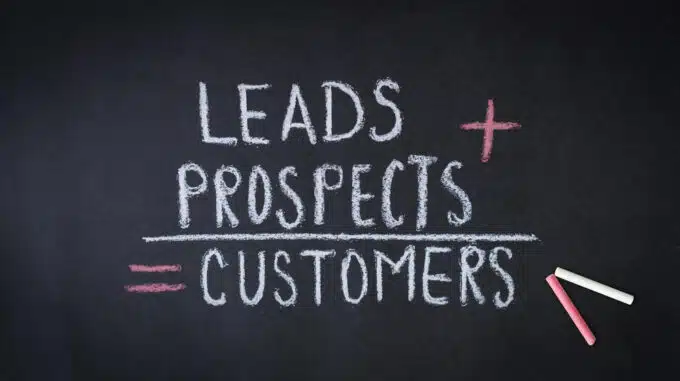
Suspect vs Lead vs Prospect: Understanding the Language of Sales
Suspect vs Lead vs Prospect: Understanding the Language of Sales
If you’ve ever sat in a sales meeting and heard the words suspect, lead, and prospect used interchangeably, you’re not alone. These terms often get blurred together — but understanding the distinctions between them is crucial for building a structured and effective sales process.
Let’s break it down.

1. The Suspect: Everyone Who Could
A suspect is anyone who fits your ideal customer profile (ICP) but hasn’t yet shown genuine interest. They might have a need, they might have a budget, but right now, they’re just a name on a list.
Think of suspects as the wide mouth of your sales funnel — they represent potential opportunity. At this stage, your job is to qualify them. You’re gathering information, identifying decision-makers, and assessing fit.
Example:
You sell HR software and have identified 500 companies with over 200 employees in the healthcare sector. They’re suspects — potentially relevant, but still untested.
Key question:
“Do they fit our target customer profile?”

2. The Lead: Someone Who’s Shown Interest
A lead is a suspect who’s taken an action — downloaded a brochure, filled out a form, attended a webinar, or responded to an email. They’ve stepped into your world and given you a reason to engage.
At this point, your marketing team often takes the lead (pun intended). They’ll nurture and score leads, using content and automation to warm them up before handing them over to sales.
Example:
A HR Director downloads your “Top 10 HR Software Trends” whitepaper — they’re now a lead. They’ve shown interest, but you still don’t know if they’re ready to buy.
Key question:
“Have they demonstrated enough interest to justify a conversation?”

3. The Prospect: A Qualified Lead Ready for Sales
A prospect is a qualified lead — someone who’s been evaluated and confirmed to have a genuine need, budget, and decision-making power. This is where your sales team earns its keep.
Prospects are in conversation with you. They’ve confirmed pain points, timelines, and intent. You’re actively engaging them through demos, meetings, and proposals. The focus here is relationship-building and closing the deal.
Example:
That same HR Director books a demo, discusses their current pain points, and confirms budget approval. They’re now a prospect — and potentially your next customer.
Key question:
“Are they ready, willing, and able to buy?”
Why It Matters
The difference between suspects, leads, and prospects isn’t just semantics — it’s strategic. Misclassifying a contact can waste time, distort your pipeline, and skew your metrics.
By clearly defining each stage, you can:
-
Align sales and marketing teams
-
Improve forecasting accuracy
-
Prioritise high-value opportunities
-
Shorten your sales cycle
Final Thought
Great sales teams know that discipline in the early stages of the funnel drives success later on. Suspect vs Lead Prospect – The sharper you are at identifying suspects, nurturing leads, and qualifying prospects, the more confident you can be in your pipeline — and your results.
For a different slant on this see HERE – To learn about Top 10 Ways to Generate Sales Leads see HERE
